Better Exercise Physiology
  • Home
  • About Us
  • Exercise Physiology
  • NDIS
  • Clinical Classes
    • Clinical Pilates Classes
    • Low Impact Class
    • Open Studio Access
    • Parkinson's strength and balance classes
  • Contact
  • Home
  • About Us
  • Exercise Physiology
  • NDIS
  • Clinical Classes
    • Clinical Pilates Classes
    • Low Impact Class
    • Open Studio Access
    • Parkinson's strength and balance classes
  • Contact
Search by typing & pressing enter

YOUR CART

Pregnancy and post-natal

 Exercise during pregnancy is  recommended to reduce pregnancy related hypertension and gestational diabetes. Not all exercises are suitable for pregnant women so seeking professional advice early is a must.
​
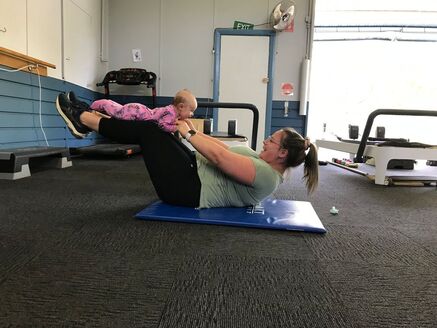
At Better Exercise Physiology we use specific exercises and target key muscles to increase strength, fitness and mobility.

Through individual appointments or Clinical Pilates classes, we teach you how to do the right exercises and keep you in control.
BOOK ASSESSMENT
Picture

WHO WE WORK WITH


We regularly work with people from the start of their pregnancies right through to postnatal helping them back to doing the things they love. Most woman find from 17 weeks gestation onwards their usual exercise routine becomes challenging or has a need to be modified.
By continuing to work with our team in Clinical Pilates many woman are then able to keep up a regular exercise routine until their due date. Having the ability to change your program week to week as your feelings and ability progress.


Our practitioners are also able to work closely along side Pelvic Floor specialists.
​
This includes:
Pelvic and sacroiliac joint pain
Upper back and shoulder pain

Manage gestational diabetes
Pelvic floor


WHAT YOU CAN EXPECT

We start with a full assessment to find out about your pregnancy. We'll then look at your movement to help identify key areas of weakness, tightness or imbalance.

From there we'll develop a specific exercise program for you to complete at home or in our Clinical Pilates Classes

In follow up appointments we revise and progress your exercise program to move you towards your goals and out of pain.

Benefits of exercise during pregnancy

Exercise during pregnancy offers numerous benefits for both Mum and baby. Someof these benefits include:
- Reduced risk of gestational diabetes and hypertension
- Improved mental health and mood
- Better sleep quality
- Preparation for labor and postpartum recovery
- Healthier weight gain and reduced risk of excessive weight gain
​- Reduced risk of postpartum depression

Common issues we see in clinic


  1. Pelvic and sacroiliac joint pain
  2. Reduced range of movement
  3. Upper and lower back pain
  4. Prolaps 
  5. Lack of confidence in your body
  6. Unsure what exercises to do and what to avoid
Picture

HOW EXERcise can help

Exercise is important for everyone and regular physical exercise can provide many social, mental, health and fitness benefits during pregnancy.

Being active during pregnancy can improve fatigue levels, help to manage pelvic pain and helps to prepare you for labour. Exercise during pregnancy is also recommended to reduce pregnancy related hypertension and gestational diabetes. Not all exercises are suitable for pregnant women however – so seek professional advice early.


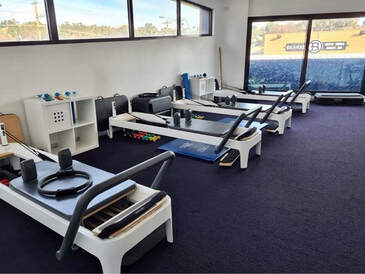
At The Healesville Wellness Factory and Yarra Valley Wellness Clinic (Seville) we utilise Pilates Reformers to help support you through your journey.
Picture

WHY CHOOSE AN  EXERCISE PHYSIOLOGIST

Picture
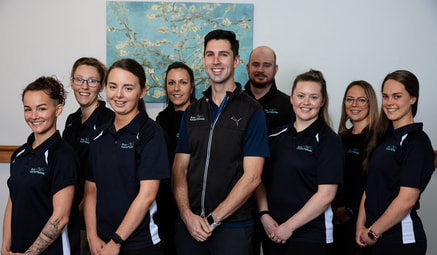
As Exercise Physiologists we are movement specialists.

We understand movement, pain and injuries better than anyone.

Each of our team are university trained with a Masters degree in Exercise Physiology (4-5 years study).

We complete extensive on the job training and stay up to date with the latest in back pain research and treatment.

PRICES AND REBATES

For view our prices head to our Exercise Physiology​ page or book an assessment below.
BOOK ASSESSMENT

Class timetable & Prices

View

FAQ's

Q. What does a typical session look like?
A.
The initial session will include a thorough assessment. We will also develop an exercise program that addresses your issues and helps to get you in control.

Q. How long does a course of treatment last?
A.
This depends on the nature of your injury. Typically we'll see clients every 2-4 weeks which gives them time to do their exercises and see improvement.

​Q. How does an Exercise Physiologist differ from a Physiotherapist?
A.
Exercise Physiologists are the highest trained professionals specialising solely in exercise. We teach you to treat your own condition. Unlike physiotherapists we do not do hands on work (massage and adjustments) and refer on when this is needed.
Powered by Create your own unique website with customizable templates.